Episode Summary
Cigi Manning, VP of Digital Transformation and Customer Centricity at Manulife Canada, joins host Imran Mian to make the case that business is a team sport, a philosophy she traces back to a small farm in Paris, Ontario and years of competitive sport. Championship teams, she argues, are built intentionally: leaders hire people stronger than themselves, aim to build the smartest room rather than be the smartest person in it, and earn trust by genuinely knowing what motivates each person. Culture, in her framing, is not what gets written on a wall but what leaders consistently reward, tolerate, and celebrate, and you should never tolerate what you would not celebrate. She describes an eyes on, hands off style built on clear goals and goalposts, explains why confidence is earned in preparation rather than in the pressure moment, and predicts leadership will grow more distributed as AI accelerates the pace of change.
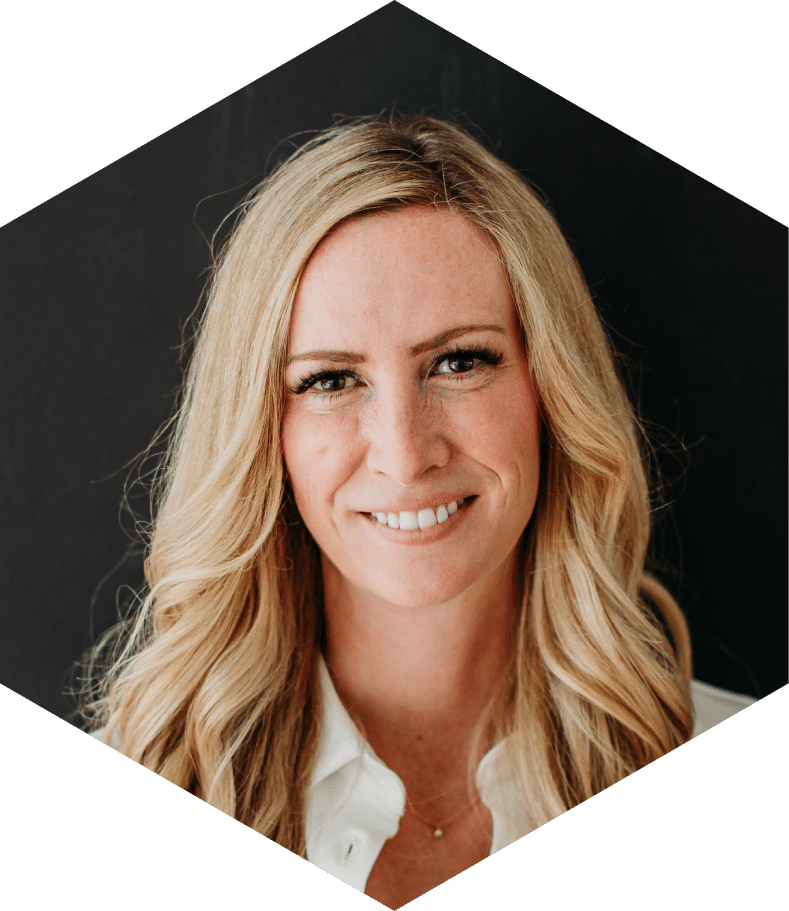
- Name: Cigi Manning
- Role: Vice President, Digital Transformation and Customer Centricity, Manulife Canada
- Cigi Manning is a growth and transformation executive known for helping complex organizations turn customer obsession into meaningful business outcomes.She currently serves as Vice President, Digital Transformation and Customer Centricity at Manulife Canada, leading transformation across customer experience, digital platforms and enterprise capabilities. Previously, Cigi spent more than 17 years at Bell Canada, most recently as Vice President, Transformation and Systems. Throughout her career, she has brought together customer experience, product, technology, data, operations and commercial teams to translate ambitious strategies into measurable results — challenging traditional boundaries between channels and functions to create experiences that work better for customers and better for the business.

Key Takeaways
Championship teams are built intentionally, not assembled by accident.
The right people in the right roles, complementing one another, matter more than any single star player. Manning’s test is whether a team trusts each other, holds each other to the same high standards, and plays for something bigger than themselves.
Aim to build the smartest room, not to be the smartest person in it.
A close friend and teammate told Manning she always wants to be the smallest fish in the pond: humble enough to know she does not have all the answers, confident enough to hire people who are stronger in different areas and raise the level of play for everyone.
Culture is what leaders consistently reward, tolerate, and celebrate.
Never tolerate what you would not celebrate. Accepting chronic underperformance signals to the whole team where the real bar sits, not just to the person involved. The balance is absorbing responsibility when things go wrong and giving the credit away when they go right.
Clarity is a leader’s core job: set the goals and the goalposts.
People need to know where the team is heading, what is in and out of scope, and what success looks like. Manning describes her style as eyes on, hands off: closely engaged in direction and operating rhythms, then trusting talented people to decide how.
Confidence is earned in preparation, not in the pressure moment.
Championships are won long before game day, in thousands of small decisions and the hours of practice nobody watches. Mapping several possible futures instead of betting on one story is what lets a team stay calm and adapt when the unexpected arrives.
Episode Highlights
The Smallest Fish in the Pond
Manning credits a close friend and teammate with the analogy. Wanting to be the smallest fish is not self-deprecation, it is the confidence to surround yourself with people stronger than you in areas where you are not, and to let the best idea win no matter who it comes from. Her conclusion is that leaders should stop optimizing for being the smartest person present and start building the room itself.
“The goal is not to be the smartest person in the room, but to build the smartest room of people.”
Never Tolerate What You Would Not Celebrate
Culture, for Manning, is not aspirational language on a wall. It is the accumulated signal of what leaders actually reward, what they let slide, and what they make a point of celebrating. Accepting poor behaviour or chronic underperformance does not only fail the individual, it tells everyone watching where the standard really is. She also treats culture as a shared responsibility rather than the leader’s alone: the whole team participates in protecting it.
“You shouldn’t tolerate what you wouldn’t celebrate, and every decision that you make, every comment that you make sends a signal about what’s acceptable and what excellence looks like.”
Goals, Goalposts, and Eyes On, Hands Off
Manning’s answer to alignment without micromanagement is to be explicit about three things: the goal, the goalposts, and why it matters. With those settled she stays engaged at the level of direction and operating rhythms, checking in, removing roadblocks, and adjusting course, while leaving the how to the people she hired. The payoff is that good decisions get made without her needing to be in every room.
“I often talk about setting both the goals, so what is the goal where we’re trying to get to, and the goalposts, like what is in scope and out of scope, where are we willing to go and not willing to go?”
The Jackie Rubber Band
An early leader of Manning’s used a rubber band to explain development: the top of the band is what someone is capable of, the bottom is their current reality, and growth means releasing that tension by bringing the two closer together. Her practical translation is to treat people development as the primary responsibility of a senior leader, build it deliberately into operating rhythms and one-on-ones, and recognize that coaching moments arrive in every meeting, presentation and difficult conversation.
“One of the most enduring measures of leadership is the strength of the people that you leave behind.”
Executive Questions
Where does the idea that business is a team sport come from?
It started well before Manning’s career, on a small farm in Paris, Ontario, where teamwork was simply how her family operated. Her parents made significant sacrifices so she and her brother could play competitive sport, and they paired high expectations with real support. As her career developed she noticed the same principles recurring: the best teams succeed not because of one star player but because people trust each other, work hard, hold each other to high standards, and play for something bigger than themselves.
What separates a championship team from one that is simply good?
Intentional construction. Championship teams are built with exceptional people who know their role and complement one another, which Manning sums up as having the right players on the pitch. She points to a teammate’s ambition to be the smallest fish in the pond, humble enough to know she lacks all the answers and confident enough to hire people stronger in different areas. Great leaders then create an environment where the best ideas can come from anywhere and be challenged openly.
How do you earn trust and bring a diverse team around a shared vision?
By genuinely knowing your people. Manning’s formative lesson came from coaching a U16 AA Ringette team, where a former CFL player challenged the athletes to know each other beyond their positions: whether a teammate was having a good day or a bad one, what their goals and fears were, what motivated them. Leadership is no different. People do not all need the same things, so they cannot all be led the same way, and when they know you care about their success they become far more open to coaching and honest feedback.
What does culture actually mean in practice?
Culture is what leaders consistently reward, tolerate, and celebrate. Manning’s rule is that you should not tolerate what you would not celebrate, because every decision and every comment signals what is acceptable and what excellence looks like. Accepting chronic underperformance sends that message to the entire team, not only to the person involved. The other half is recognition: give credit generously, celebrate wins often, and absorb the responsibility yourself when things go wrong.
How do you create clarity during growth or transformation without micromanaging?
Manning sets both the goals and the goalposts: where the team is trying to get to, what is in and out of scope, why it matters, and what success looks like. She describes her style as eyes on, hands off, staying closely engaged in setting direction, creating alignment, and establishing operating rhythms between groups, then trusting the talented people she hired to determine how the work gets executed. The operating rhythms create regular chances to remove roadblocks and adjust course.
How do you foster ambition without creating burnout?
By separating ambition from constant intensity. Competitive athletes want to win against the very best, and Manning sees business the same way, with organizations competing daily for customers, talent, and market share. But ambition does not mean running at full speed all the time. Sustainable performance requires creating space for people to recharge and perform at their best over the long term, and leaders have a responsibility to model what that balance looks like rather than just describing it.
What will distinguish the most successful leaders over the next five years?
The ability to learn and adapt faster than the pace of change. Manning expects AI and technology to keep reshaping how work gets done, which in her view makes the human side of leadership more important rather than less. The organizations that pull ahead will build strong teams, create clarity inside complexity, and empower people closer to the customer to make decisions within clear guardrails. She believes leadership will have to become more distributed and less hierarchical, because no organization can move fast enough if every decision has to climb to the top for sign off.
Full Episode Transcript
Hide Transcript
If you’ve heard any of my podcasts before, you’d know that preparation to me is essential. And I think sports teach you that, you know, competitions and championships, you win those things long before a game day. You don’t just show up on game day and all of a sudden you have this magic happen.
Team Canada did not have magic the other day just because they showed up .
[00:00:23] Imran Mian: Hello, and welcome to another episode of Behind the Growth. I’m your host, Imran Mian. Today, I’m joined by Cigi Manning, a leader whose philosophy is built around one powerful belief: business is a team sport. Throughout her career, Cigi has led large-scale transformations, built high-performing teams, and developed leaders by applying lessons learned through competitive sport.
Today, we’ll explore what it takes to build championship teams, create strong cultures, develop future leaders, and lead through change. Cigi, it’s great to have you on Behind the Growth.
[00:00:59] Cigi Manning: Thank you so much. I’m excited to be here
[00:01:02] Imran Mian: Wonderful. your leadership philosophy, Cigi, is built around the idea that business is a team sport. Where did that mindset come from, and how has it shaped the way you lead?
[00:01:14] Cigi Manning: Honestly, it started long before my career. I grew up on a small farm in Paris, Ontario, small town, and teamwork on the farm is just how my family operates there. My parents made enormous sacrifices when we were younger, so both my brother and I could play on competitive sports teams. And, uh, I think my dad will tell people that I learned how to skate long before I walk, and so sports have always been in my DNA.
Um, through that experience, my parents obviously were our biggest supporters, but they also had very high expectations, so they, they challenged us to improve, to compete with the best. They taught us to hold high standards, and they had strong support along the way. So the standards came with the support.
Um, but as my leadership was developing and my career was developing, I realized that the same principles kept showing up. Um, and as you start to become a leader, you try to explain some of these leadership philosophies and principles to your leaders and in mentonship sessions and those kinds of things.
And, uh, I started to recognize that the best teams, they don’t just, you know, succeed because one star player or anything. They succeed because people trust each other, they work hard, they hold each other to those same high standards, and they play for something bigger than themselves. So that’s where my philosophy of business as a team sport was born.
[00:02:28] Imran Mian: Well said. Well said. you’ve also built and led high-performing teams throughout your career. What separates a championship team from one that’s simply good?
[00:02:41] Cigi Manning: Good question. Um, championship teams are built intentionally with exceptional people who know their role, who complement one another, um, and successfully– a success story ultimately starts with having, in my opinion, the right players on the pitch. So a little nod to the World Cup here in Toronto right now.
Um, so this question, it makes me think of an analogy from a very good friend of mine, a teammate actually, um, and she once shared with me that she always wants to be the smallest fish in the pond. And it took me a minute to recognize what she was trying to say, but mean– her meaning behind being the smallest fish was that she’s humble enough to know that she doesn’t have all the answers, but she’s also confident enough in her leadership to hire people who are stronger in different areas and raise the level of play for the whole team.
And I really think that’s the goal, is not to be the smartest person in the room, but to build the smartest room of people. And great leaders, they create that environment where the best ideas can be, you know, from anywhere and challenged, and everyone is just there continuously learning, um, and improving.
And that’s, I believe, how championship teams are built
[00:03:42] Imran Mian: Uh, that’s, uh, that’s a great segue into my next question, Cigi. Um, you often say leadership starts with, understanding people. How do you earn their trust and bring diverse teams together around a shared vision?
[00:03:58] Cigi Manning: Um, trust starts with genuinely knowing your people, I would say. I- you’ve probably heard me say this before, but one of my favorite leadership lessons came from coaching. I was a coach of a U16 AA ringette team, and we brought in a former CFL player at the time to talk about culture and mindset. And one thing that he said that stuck with me was he challenged our athletes to truly know each other, not just as coaches, but the athletes themselves.
He asked them to know if your, you know, your teammate was having a good day or a bad day, not just their position, but their goals, their fears, what they’re motivated by, you know, their strengths and what each team brings or which, what each person brings to the team to help the team succeed. And I think leadership is no different.
You know, people don’t all need the same things, so you can’t lead everybody in the same way. And when people genuinely know that you care about them and care about their success, they become a lot more open to coaching and honest feedback and being challenged to grow. And so if you can create that environment where people feel understood and valued and supported, they’re much more willing to challenge ideas respectfully and come together to solve problems and ultimately execute them with more speed.
And so I think that like, you know, setting up the foundation of trust is core to, to that success.
[00:05:12] Imran Mian: Yeah. I, I think what you’re sort of, alluding to is, culture, and you’ve said culture isn’t what you write on the wall. It’s what leaders consistently reward, tolerate, and celebrate. What are the key behaviors leaders should model if they want to build a strong culture?
[00:05:29] Cigi Manning: I would agree. I think culture is core, and, culture to me means it’s, it’s what you consistently reward, tolerate, and what you celebrate. So I s- I always believe that you shouldn’t, you know, tolerate what you wouldn’t celebrate, and that every decision that you make, um, every comment that you make sends a signal about what’s acceptable and what excellence looks like.
And so you– if you accept chronic underperformance or poor behaviors or low standards, you send a message not just to the p- person that’s, you know, exhibiting those behaviors, but to the entire team on what’s acceptable and not. And so I think culture is not only about accountability, but also on the recognition side, on the flip side.
The best leaders also, they give away the credit very generously. They celebrate the wins often. They help people, you know, feel the impact of what they’ve accomplished together. I found early in my career, even some of those small wins where you recognize that someone just did something really hard or accomplished something, uh, challenging between two groups, those little micro-moments where you recognize someone, they mean more to folks than you recognize.
Um, and so as a leader, I think it’s really important that when things go wrong, we, we take that and absorb the re-responsibility, but when things are going right and throughout the process of going, you know, going right, that we shine that spotlight on other people. The other thing I would maybe add on top of this is that I think great teams as a group are accountable for protecting that culture and playing for something bigger than themselves.
So it’s not just the leader that sets the standards, but the entire team that participates, um, in what’s acceptable and what’s not.
[00:07:00] Imran Mian: I li- I like the fact y- that you swapped the word, tolerate with acceptable. I, I, I think I personally prefer acceptable versus tolerate, so, uh, that’s a good thing. during periods of growth, uh, Cigi, or transformation, how do you, how do you create clarity so people stay aligned without feeling micromanaged?
[00:07:26] Cigi Manning: It’s a great question. I think one of the most important jobs of a leader is to create clarity. I often talk about setting both the goals, so what is the goal? Where are we trying to get to? And the goalposts, like what, what are– what is in scope and out of scope? Where are we willing to go and not willing to go?
Um, and then why does it matter? What does success look like? All those things that folks are wondering about that help them make better decisions, um, and feel empowered to make decisions on their own. I would describe my leadership style as a bit of, you know, eyes on, hands off, um, type style, where I’m very engaged up at the current state, setting direction, creating alignment, establishing operating rhythms between groups or within my own team.
But then you really, as a leader, your job is to trust those talented people, you know, that you’ve hired on, you know, determining the best way and the how on how we execute. But I always keep those strong operating rhythms in place to create regular opportunities to, you know, remove roadblocks, check in, adjust course when needed, and keep the team moving forward together.
And I think it’s one of those sweet skills that I feel I genuinely lean on all the time in my leadership, is just that clarity for folks and helping them feel empowered to make the right choices so you don’t have to be in every single room all the time.
[00:08:39] Imran Mian: Makes sense. many of your leadership lessons come from competitive sport, as we’ve been discussing. What does a winning mindset look like in business, and how do you foster ambition without creating burnout?
[00:08:54] Cigi Manning: Such a balance. It’s such a good question. And, you know, the reality of competitive athletes is that they want to compete against the very best. You know, you don’t want to just wanna win. You wanna win against the very best. And because, you know, that is the true measure of performance is how are you doing against the best of the best.
I think business is exactly the same way, where every day you’re competing for customers or talent or market share, and great organizations understand that they’re competi- you know, they understand the competition and they’re trying to learn from them. You know, and trying to raise your own game to either match or exceed what the other, other teams are doing and think about what are they doing and counteract that.
The key though, I think, is what you said, which is why I paused on the question, which is that ambition, it doesn’t mean that you’re running at full speed all of the time. I think sustainable performance requires creating space for people so they can recharge and consistently perform at their best over the long term.
And as leaders, it’s also important that we set a strong example of what that work-life balance, you know, looks like. I j- I literally just hopped off a call where a peer and I were having this conversation on how do we set boundaries in our own teams to lead by example. And so I think it’s, it’s our duty and responsibility to set that culture for the team.
[00:10:05] Imran Mian: Makes sense. Uh, Cigi, you’ve also spoken about confidence being earned through preparation. How has that principle helped you navigate high-pressure leadership moments?
[00:10:16] Cigi Manning: If you’ve heard any of my podcasts before, you’d know that preparation to me is essential. And I think sports teach you that, competitions and championships, you win those things long before game day. You don’t just show up on game day and all of a sudden you have this magic happen. Team Canada did not have magic the other day just because they showed up.
Um, it’s those thousands of small decisions and habits, the ch- people that you choose to have on the pitch and not on the pitch, you know, all those hours of practice when no one is watching, and sweating all the details as a team. I think that’s what builds confidence. Trying to think of an example, but when I went to the University of Chicago, uh, I went to Booth School of Business there, and we did this exercise that I– it comes to mind, and it was called the exploration of p- uh, possible futures.
So thinking about in your business, what are some of the possible futures? And they got us to write out what are the three things, potential three things that may happen, you know? And I’ve reflected on that experience, and I found that, you know, it’s easy to get stuck on kind of one story of what you believe the future is gonna look like, but this can really have a negative impact on companies and their leaders by, you know, blocking that view of what other actions, you know, externally through competition or technology changes or internally, you know, through leadership changes or other things may happen.
And so it’s important, you know, to map out those scenarios, ask those hard questions, understand the risks and the opportunities, you know, and put in that work before, you know, those pressure situations or those changes arrive so that, you know, when you’ve prepared, you don’t panic when something unexpected happens.
You can stay calm, adapt, and focus on making the next best decision, and that’s, you know, where I believe that confidence comes from.
[00:11:53] Imran Mian: Yep, absolutely. And sometimes with, uh, all those, preparations even setbacks are inevitable in any career, be it sport or your, uh, business. perhaps you could, uh, share a challenge that became a defining leadership lesson for you
[00:12:10] Cigi Manning: Sure. I, I always struggle with this question a little bit, only because I don’t really think about my career in terms of setbacks. I always think about growth and what can we learn from those scenarios. And I believe when you’re pushing yourself to grow, you’ll make mistakes, you’ll face disappointments.
You know, delays are sometimes inevitable. But I think if you go through those cycles of challenge, reflection, and improvement, you know, you’ve gotta just constantly put in the work to continue to learn and grow. One of the defining, um, lessons maybe that comes to mind quickly happened early in my career where I was approached about a, you know, a VP position or an opportunity outside of the organization that I had grown my career in.
And it looked like the next logical step, but it didn’t quite feel right, you know, leaving the organization where I was surrounded by, well, you would know, incredible talent and support actually for my, my own career trajectory. And one of my mentors at the time, um, she challenged me not to chase that title, but to chase the opportunity that would create the greatest long-term potential for me, and to make sure that when I arrived at the next level, I was really, really prepared to arrive not just as green kind of VP at the bottom of the pack, but arriving near the top of the pack.
And that stuck with me. Um, so I stayed. The summary of that story is that I did stay, and I focused on building my capabilities and taking on more complex work and honing my craft around leadership. And looking back, I think that’s, you know, that period of patience maybe we’ll call it, probably accelerated my career more than taking that, you know, earlier opportunity would have.
And so bringing it back to setbacks, I, I don’t know if that’s a setback or a delay, but I think it’s just really important that we take each of those moments, reflect on them, and then, you know, refine and, uh, and continue to grow
[00:13:50] Imran Mian: 100%. Um, Cigi, you believe leadership is ultimately measured by the people you develop. Uh, what practical advice would you give leaders who want to invest more intentionally in growing others?
[00:14:05] Cigi Manning: I definitely feel that one of the most important responsibilities of a leader is helping people achieve more than they thought was possible. I think we often think about our jobs as strategy or operations or transformation or delivery, and at the end of the day, you know, our results though, they come through other people, and so developing them isn’t separate from the job.
In my opinion, that is the job of, of a leader. One of my leaders earlier in my career, um, Jackie, actually, she always used to use this analogy of a rubber band. Maybe I’ll show you. This is the Jackie rubber band where, um, the top of the band represents where someone is capable of getting to, and the bottom is their current reality.
And so growth is actually about bringing those two things, releasing the tension of the band and bringing the bottom closer to the top. Um, so if I reflect on that in leadership, if I were to offer maybe a few practical ideas, the first thing that comes to mind would be to just treat people development as your primary responsibility as a people leader.
Particularly as you become more senior, your success is dependent on what your leaders and your teams can accomplish, and so I believe it’s our responsibility in that scenario to tell people the truth, help them see where they are today, help them understand what good looks like and, and support them in getting there.
The second thing I would maybe add, I can think of three things. I’m getting to the third. The second would be to make your development plans and your development support intentional, so build that into your operating rhythms and your, you know, scheduled one-on-ones with teams and having conversations dedicated just to that topic throughout the year.
But also while you’re reviewing talent, making sure that you’re thinking about what are those opportunities that these folks need. Is it a lateral move? Is it a different stretch assignment? How do we get them, you know, developing the skills that they need to get to that next level? And then the final thing I would say is just recognizing that coaching opportunities, they happen every day.
Every meeting, every presentation, difficult conversation or interaction, that’s an opportunity to help someone improve, and so giving real-time feedback to adjust quickly, I think that’s really critical as a leader. And, you know, one of the most enduring measures of leadership is the strength of the people that you leave behind.
[00:16:10] Imran Mian: Wonderful. Uh, we’re coming up on our time, but I do have, uh, one more question and then, um, if you don’t mind, I wanna do a quick rapid-fire round.
[00:16:20] Cigi Manning: Let’s do it
[00:16:21] Imran Mian: so my next question is, looking ahead, what do you believe will distinguish the most successful leaders and organizations over the next five years, given that, you know, with everything that’s going around with AI and everything?
[00:16:36] Cigi Manning: A lot going around with AI for sure. I, um, I think the future belongs to organizations that can learn and adapt faster than the pace of change, and the pace of change is quite rapid at the moment. And technology, AI, that’s gonna continue to evolve the way that we work, but it also makes the human side of leadership even more important.
And there’s a few key things that I think some organizations maybe do better than the others that’s gonna set them apart. And even for leaders, those ones that, you know, build strong teams, create clarity and complexity, empower people closer to the customer, closer to those decisions with some guardrails to make decisions and move faster.
I believe leadership is gonna have to become more distributed and less hierarchical, you know, because in organizations, we simply won’t be able to move fast enough if every decision and every, you know, change has to rise through the top or get sign-off somewhere. And so although technology and AI are gonna change the game, I think leadership culture and those, you know, um, capabilities around empowering teams, that’s gonna continue to be a real competitive advantage for the folks and team organizations that take most advantage of them.
[00:17:38] Imran Mian: Wonderful. Um, let’s do a, a rapid-fire round. I have three questions for you, so, uh, please just, uh, give me, uh, whatever comes to your mind, uh, first. So the first, first question is, one leadership habit you never compromise on?
[00:17:55] Cigi Manning: Well, if you’ve seen me speak, I always say preparation, but I’m gonna change it up and I’m gonna say clarity. Um, before I can create clarity for my team, I’m gonna have to create it for myself, and I do that. I’m really dedicated to my to-do list. I reflect regularly, I prioritize, and I stay focused on what matters most instead of constantly reacting to other people’s to-do list.
So I would say clarity and that to-do list.
[00:18:16] Imran Mian: Amazing. My next question is, a book, podcast, or resource that’s had a lasting impact on your leadership journey, and feel free to talk about your own book as well.
[00:18:28] Cigi Manning: It’s not yet published, so now you’re putting it out there in the universe that I’m working on, on something. But I would say a book, maybe a book that stands with me, I’ll say your podcast and then a book that stands with me is “The Culture Code” by Daniel Coyle. It reinforces that great teams and cultures don’t just happen by accident, that leaders intentionally build them.
So that’s a book that’s actually– it’s on my nightstand. I, I love that book.
[00:18:50] Imran Mian: Wonderful. In one sentence, what does growth mean to you?
[00:18:53] Cigi Manning: Growth is having the courage to stretch beyond what you think you’re capable of, the humility to keep learning, and becoming that kind of leader who leaves people, teams, and organizations better than you found them
[00:19:09] Imran Mian: Wonderful. Cigi, thank you for sharing your leadership journey and your insights on building championship teams, creating strong cultures, and developing future leaders.
There were so many valuable takeaways, and I know our audience will leave with ideas that they can put into practice in their own organizations. And to our listeners, thank you for tuning in to Behind the Growth. If you enjoyed this episode, be sure to subscribe, share it with your network, and join us next time for more conversations with the people driving growth and innovation.
Until next time, this is Imran Mian wishing you all a healthy, inspired, and growth-filled day ahead.